
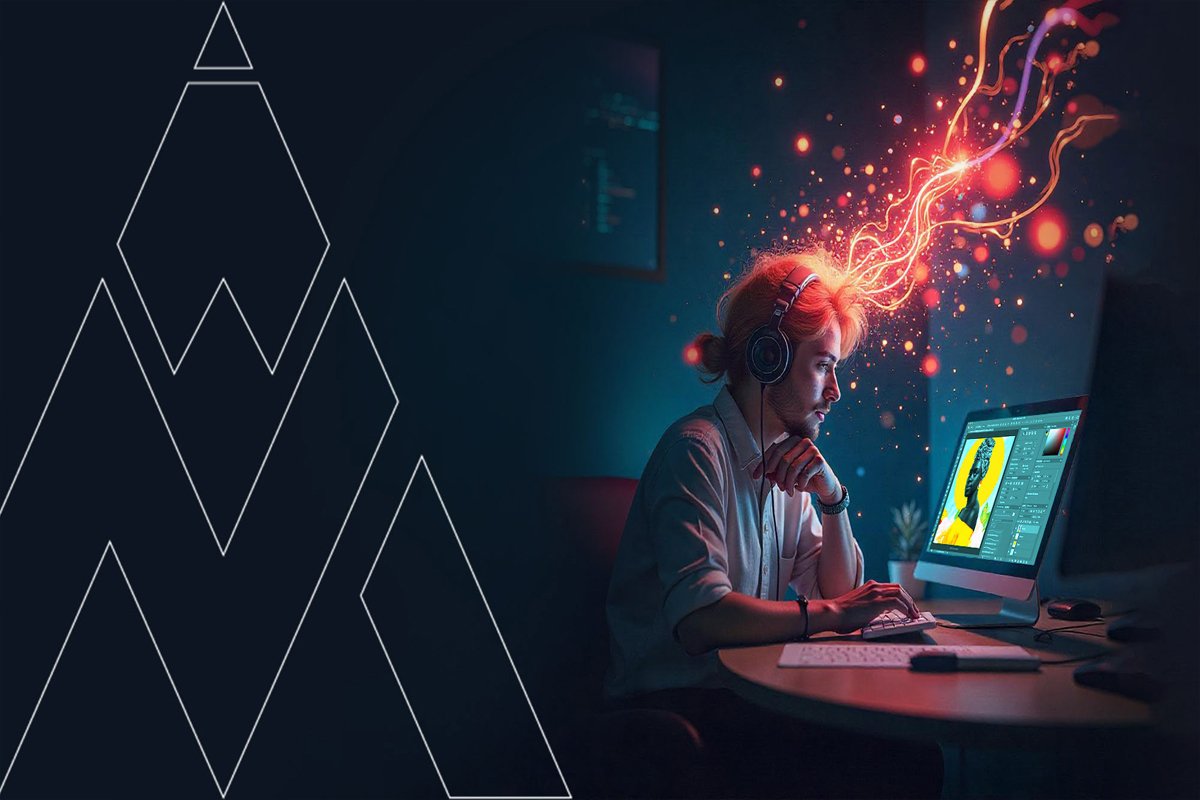
Designing is the process of creating and organizing visual and functional elements to solve a problem or communicate a message effectively. It is an essential aspect of various industries, including graphic design, web design, product design, interior design, and fashion design. At its core, designing blends creativity with functionality, ensuring that the end product is aesthetically pleasing, user-friendly, and serves its intended purpose.
In graphic design, for example, designers work on creating logos, brochures, websites, advertisements, and other visual content. They focus on elements such as color, typography, layout, and imagery to create compelling designs that catch the eye and communicate the brand’s identity. In web design, designers ensure that a website is not only visually appealing but also easy to navigate, ensuring a seamless user experience (UX) with intuitive interfaces.
Effective design involves research, planning, prototyping, and iteration. Designers often work closely with clients or teams to understand the goals, audience, and requirements of a project. Once the concept is developed, designers refine it through feedback and testing to ensure it meets the desired objectives. Whether it’s designing a logo or creating a user interface, good design enhances the overall experience and communicates the brand’s message effectively.
Ultimately, designing is about problem-solving, finding innovative solutions, and creating experiences that resonate with people, making their lives easier, more enjoyable, or more meaningful.
Graphic design focuses on creating visual content like logos, posters, brochures, and branding materials, typically for print or digital mediums. Web design, on the other hand, involves designing websites with a focus on creating a user-friendly interface, navigation, and ensuring a seamless online experience. While both rely on visual aesthetics, web design includes considerations for functionality, user experience (UX), and interactive elements.
User experience (UX) is critical because it focuses on the overall experience users have when interacting with a product, website, or application. A well-designed UX ensures that users can easily navigate and complete tasks without frustration. It helps to build positive perceptions, encourages engagement, and drives customer satisfaction, ultimately leading to higher retention and conversion rates.
Designers use various tools depending on the type of design they’re working on. Some popular tools include Adobe Photoshop, Illustrator, and InDesign for graphic design, Sketch and Figma for UI/UX design, and AutoCAD or SolidWorks for product design. These tools allow designers to create, prototype, and refine their designs with precision and creativity.
Designers ensure their designs are effective by understanding the target audience, the project’s goals, and the brand’s identity. They follow design principles such as hierarchy, balance, and contrast, and they test designs through feedback or usability testing. Iteration and refinement are key in ensuring the design effectively communicates the desired message or function.
Our team will answer all your questions. we ensure a quick response.

Elevate your hotel's success with a comprehensive audit, identifying areas for improvement and enhancing overall guest experience. Maximize efficiency, profitability, and operational excellence for a seamless stay. Boost guest satisfaction and drive sustainable growth with actionable insights.
Terms & Conditions | Cancellation Policy | Refund Policy | Shipping Policy | Data Delete Request | Privacy Policy
Copyright © 2025 All Rights Reserved. By Revup